

Cats are experts at hiding discomfort, which means stress often goes unnoticed until behaviors start to change. If you’ve found yourself wondering, “Why is my cat so stressed?”, subtle shifts like hiding more often, litter box accidents, excessive grooming, or sudden irritability may be early warning signs.
Stress does not only affect behavior. Ongoing anxiety can also contribute to physical health problems such as urinary inflammation, commonly known as feline idiopathic cystitis, as well as digestive upset. Recognizing stress early and understanding what may be triggering it can help restore your cat’s sense of safety and prevent longer-term health issues.
Key Takeaways
- Cats often hide stress, so subtle behavioral changes matter.
- Common stress signs include hiding, overgrooming, appetite changes, aggression, and litter box problems.
- Stress can contribute to urinary issues and digestive upset.
- Major triggers include environmental changes, new pets, loud noises, and routine disruptions.
- Medical issues can mimic stress behaviors, so veterinary evaluation may be necessary.
- Environmental enrichment and calming aids can help reduce anxiety.
Signs Your Cat Is Stressed
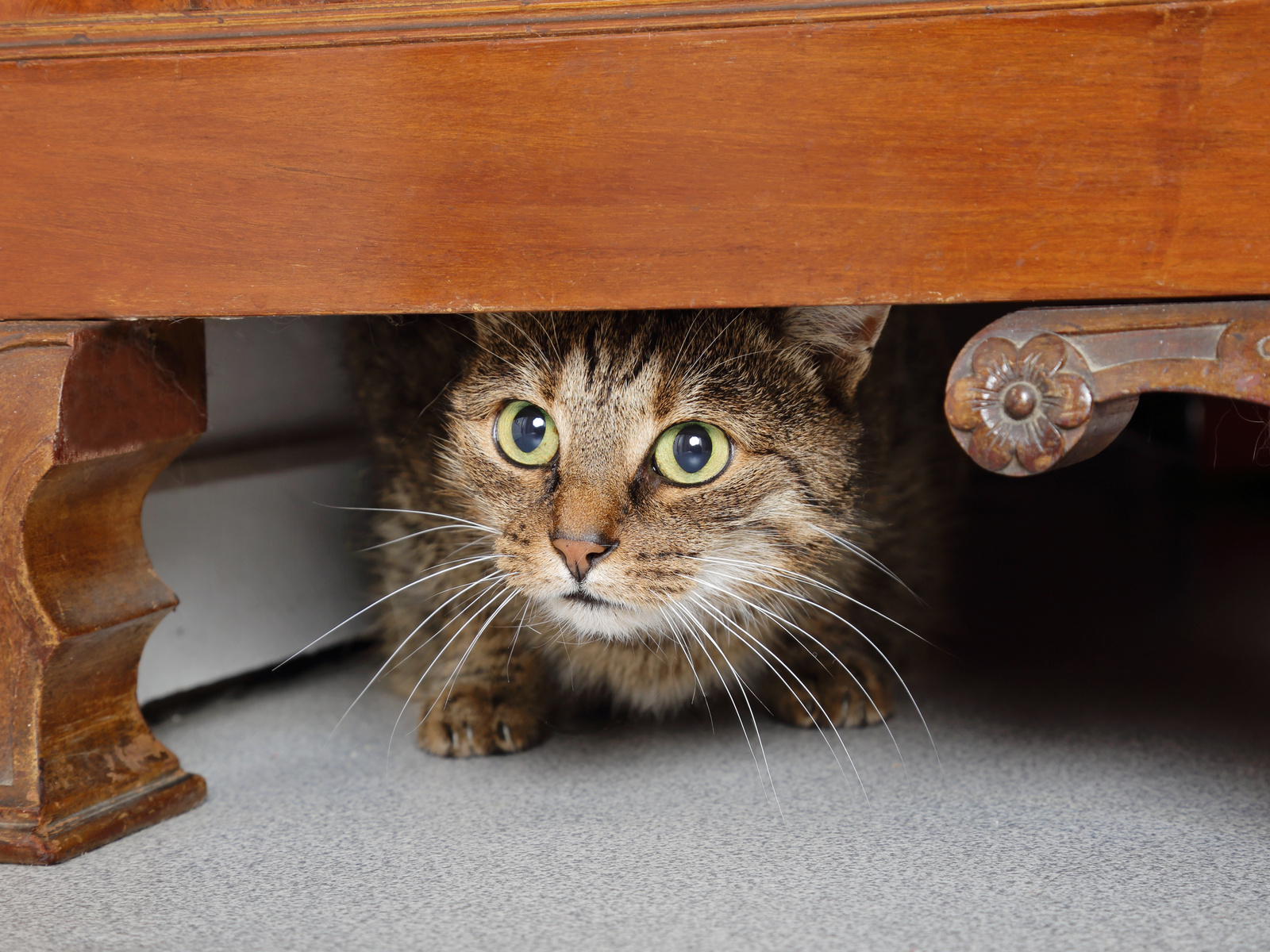
Cats rarely show stress in obvious ways. Instead, stress appears through subtle shifts in behavior and body language. Paying attention to these small changes can help you intervene before stress becomes a bigger problem.
Hiding or Withdrawal
Spending long periods under beds, inside closets, or avoiding interaction with family members can indicate your cat feels unsafe or overwhelmed.
Litter Box Changes
Urinating or defecating outside the litter box is one of the most common stress signals. Anxiety can irritate the bladder and contribute to conditions such as feline idiopathic cystitis.
Overgrooming
Compulsive licking—especially on the belly or inner legs—may cause thinning fur or bald patches. This behavior is often a self-soothing response to anxiety.
Increased Vocalization
Frequent meowing, yowling, or hissing without a clear trigger may signal discomfort or stress.
Aggression or Irritability
A normally calm cat may begin swatting, biting, or avoiding physical interaction when feeling anxious.
Physical and Body Language Signs
Dilated Pupils
Wide pupils in normal lighting conditions may indicate fear or stress.
Flattened or Rotated Ears
Ears pinned back or angled sideways suggest your cat feels threatened or uncomfortable.
Appetite Changes
Stress may cause a sudden loss of appetite or, in some cases, increased eating.
Tense Posture
A hunched body, stiff movements, or a tightly wrapped tail can signal anxiety.
Digestive Upset
Repeated vomiting or diarrhea without a dietary change may occur during periods of stress. Stress can also disrupt the gut microbiome, which may contribute to digestive discomfort in some cats. Supporting digestive balance may help some cats feel more comfortable, and many owners include probiotics for cats as part of their routine.
────────────────────────────────────────────────────────
Common Causes of Stress in Cats
Cats thrive on routine and familiar territory. Even small disruptions can trigger anxiety responses.
Moving or Environmental Changes
Moving homes, rearranging furniture, or introducing new scents can disrupt the scent markers that help cats feel secure.
New Pets or Household Members
 Introducing another cat, dog, baby, or roommate can create competition for resources and attention if introductions happen too quickly.
Loud Noises and Unpredictable Activity
Construction, fireworks, thunderstorms, and frequent visitors can overwhelm sensitive cats.
Resource Competition
Cats are territorial animals, and stress increases when basic resources are limited.
Important resources include:
- Litter boxes (one per cat plus one extra)
- Food and water stations
- Scratching posts
- Resting areas
Crowded resources are a common cause of stress in multi-cat households.
Routine Disruptions
Changes in feeding times, sleep schedules, or work routines can create anxiety for cats that rely on predictable patterns.
Boredom and Lack of Enrichment
Indoor cats without enough stimulation may develop stress behaviors such as overgrooming or destructive scratching.
- Helpful enrichment includes:
- Vertical climbing spaces
- Interactive toys
- Daily play sessions
- Window Views
Underlying Medical Issues
Pain or illness can mimic stress behaviors. Dental problems, urinary discomfort, and gastrointestinal issues may cause hiding, aggression, or appetite changes.
What to Do If Your Cat Is Stressed
Reducing stress usually involves improving your cat’s environment and restoring routine.
Create Safe Spaces
Cats feel calmer when they have quiet areas to retreat.
Helpful options include:
- Elevated cat trees or shelves
- Covered beds or hiding space
- Window perches for observing outside activity
Provide Mental Stimulation
 Indoor cats benefit from daily enrichment.
Options include:
- Interactive wand toys
- Puzzle feeders
- Scratching posts
- Short daily play sessions
Even a few minutes of play each day can help reduce anxiety and improve overall wellbeing.
Consider Calming Aids

Some cats benefit from additional support during stressful periods such as moving homes or introducing a new pet. Options may include pheromone diffusers like Comfort Zone Calming Diffuser or calming supplements designed to support relaxation such as our Calming Formula. All Natural, simply open capsule and sprinkle into food. No harsh chemicals, all natural ingredients.
Reduce Competition in Multi-Cat Homes
Ensure resources are spread throughout the home:
- One litter box per cat plus one extra
- Multiple feeding areas
- Several scratching surfaces
- Separate resting spaces
Maintain a Consistent Routine
Keeping feeding times, play sessions, and daily schedules consistent helps your cat feel more secure.
Rule Out Medical Issues
If stress symptoms appear suddenly or worsen, consult a veterinarian to rule out medical problems.
When to Contact a Veterinarian
Seek veterinary advice if your cat shows:
- Straining to urinate
- Blood in the urine
- Complete loss of appetite
- Persistent vomiting or diarrhea
- Severe lethargy
These symptoms may indicate a medical condition that requires prompt treatment.
FAQ
Can stress make a cat sick?
Yes. Chronic stress can affect a cat’s immune system and may contribute to health issues such as digestive upset, appetite changes, and urinary problems.
How long does stress last in cats?
Short-term stress may resolve within a few hours or days once the trigger is removed. If the stressor continues, symptoms can last longer.
Do indoor cats get stressed?
Yes. Indoor cats can experience stress from boredom, limited territory, or lack of stimulation.
Why is my cat suddenly hiding?
Hiding often indicates your cat feels unsafe due to illness, environmental changes, loud noises, or unfamiliar animals or people.
Can moving to a new home stress a cat?
Yes. Cats rely heavily on familiar scents and territory, so moving can be stressful. Gradual introductions and maintaining routines can help them adjust.
What is the fastest way to calm a stressed cat?
The most effective approach is reducing the stress trigger while providing safe hiding spaces and a predictable routine.
When should I call the vet about cat stress?
Contact a veterinarian if your cat stops eating, strains to urinate, shows blood in the urine, vomits repeatedly, or becomes extremely lethargic.
References
American Veterinary Medical Association. Stress and Behavior Problems in Cats.
International Cat Care. Understanding Stress in Cats.
Cornell University College of Veterinary Medicine. Feline Idiopathic Cystitis.
American Association of Feline Practitioners. Feline Environmental Needs Guidelines.
ASPCA. Common Cat Behavior Issues.


